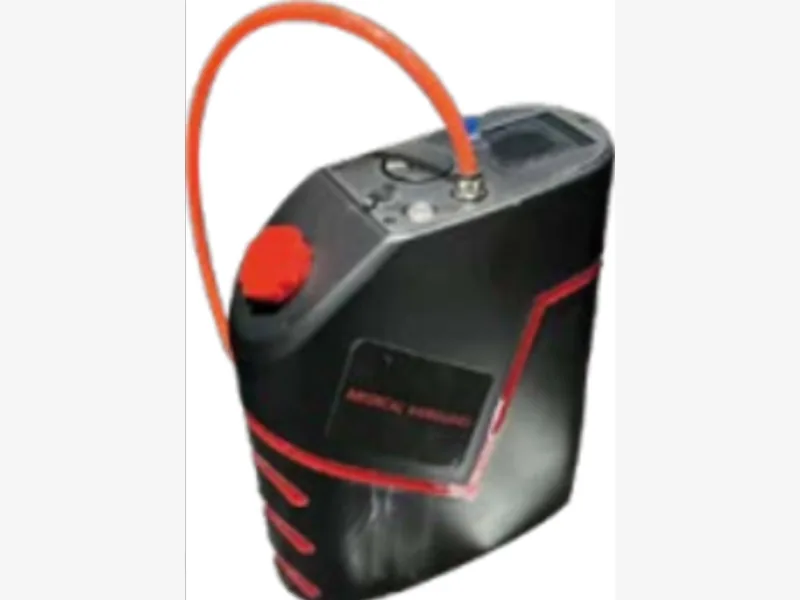
Multi-Point Hemorrhage Control Training Device
Multi-point hemorrhage control training device based on 结构化创伤救治 principles.
Training ApplicationsMaterials & SafetyControl & Feedback
Your inquiry list is empty.
Product Category
Wearable overlay trainers for haemorrhage control, tourniquet application, IO access, needle decompression, and surgical airway training.
15 products
Multi-point hemorrhage control training device based on 结构化创伤救治 principles.
Multi-point hemorrhage control training device based on 结构化创伤救治 principles.
Advanced smart wearable arteriovenous hemorrhage simulator with integrated digital assessment and wireless data feedback.
Smart wearable arteriovenous hemorrhage simulator for advanced hemorrhage control training.
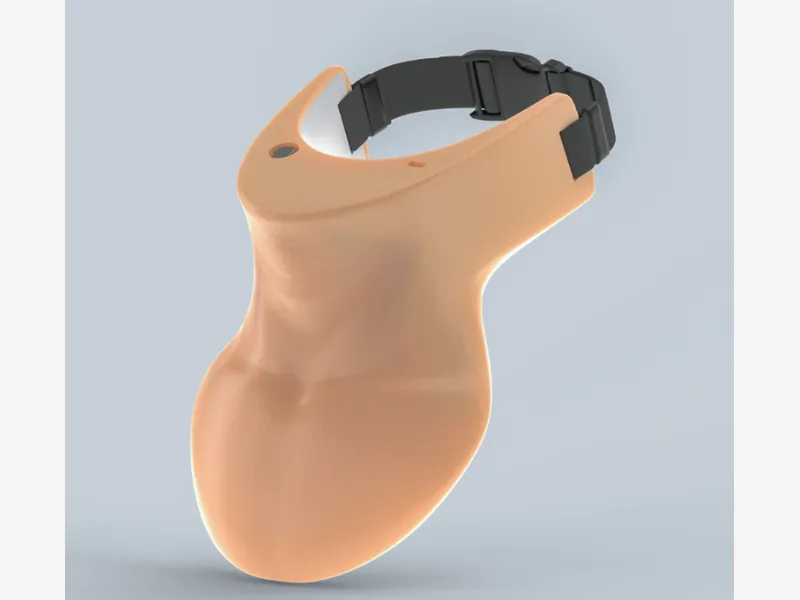
Wearable cricothyrotomy trainer (Advanced).
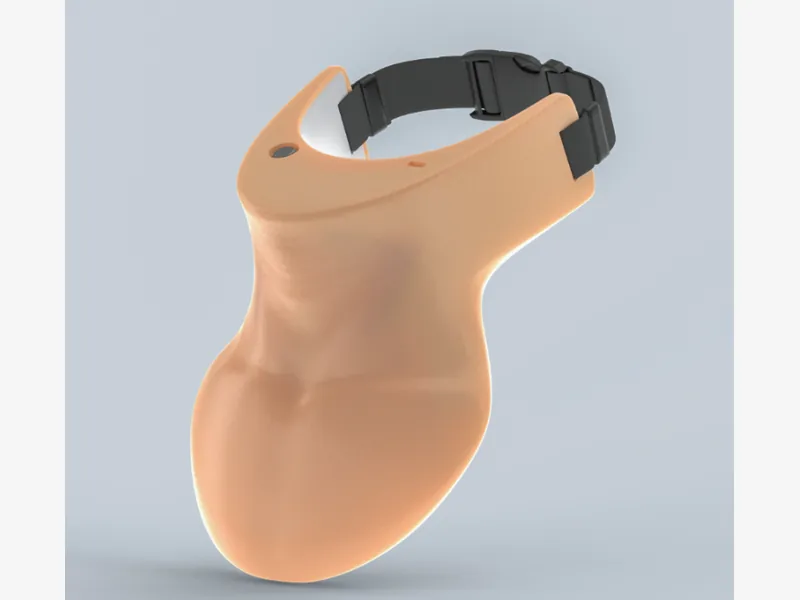
Wearable cricothyrotomy trainer (Basic).
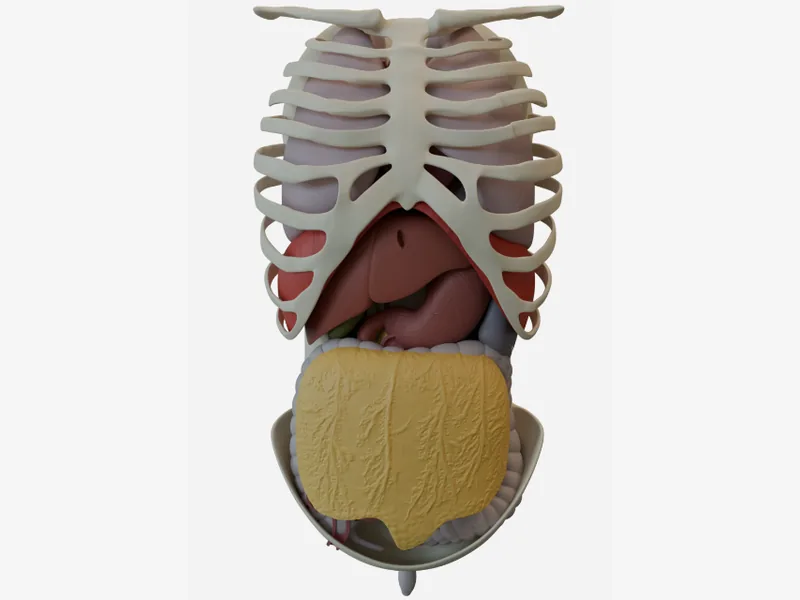
Wearable deep thoracoabdominal hemorrhage control trainer with tablet-based monitoring.
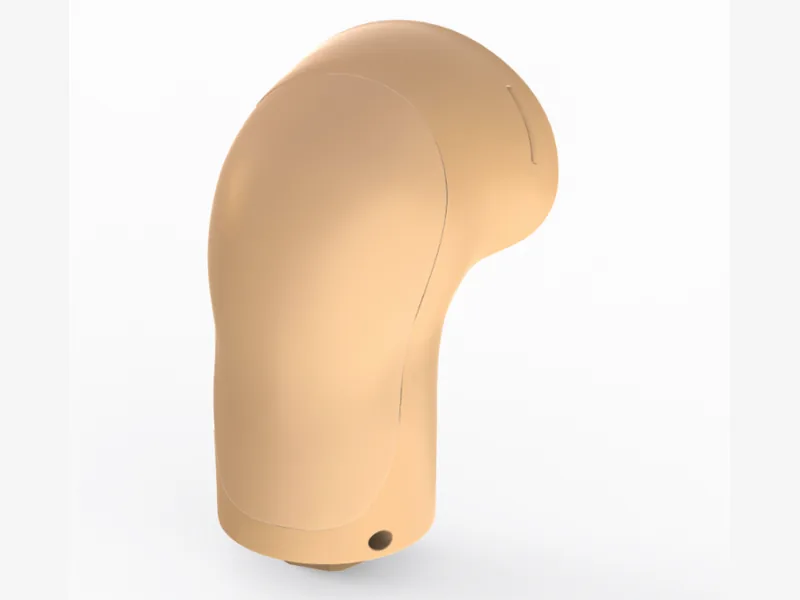
Wearable humeral intraosseous (IO) access trainer for the left arm.
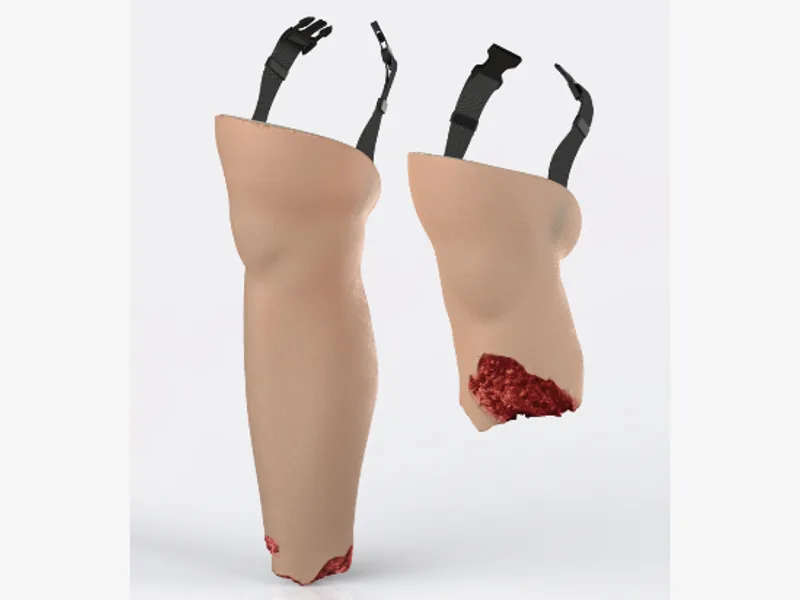
Wearable lower limb amputation module (Type A) for severe trauma training.
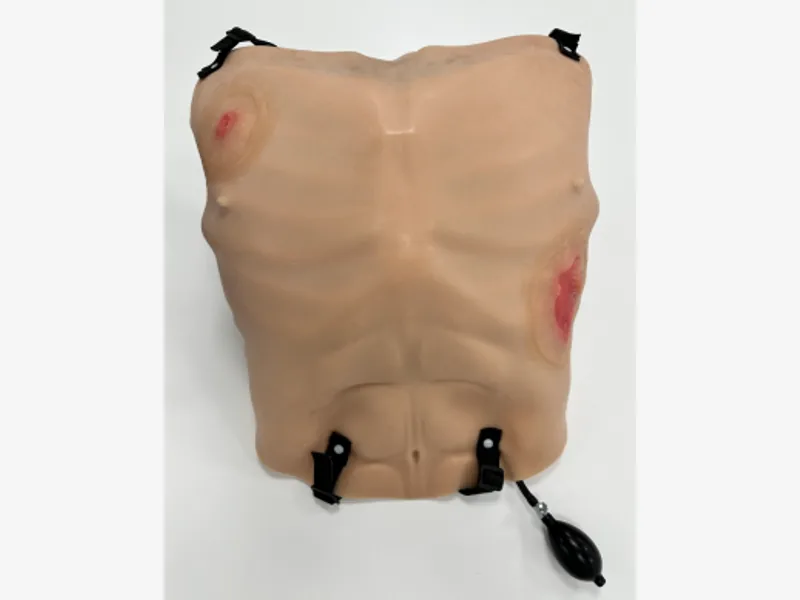
Smart wearable needle decompression trainer for tension pneumothorax and hemothorax training.
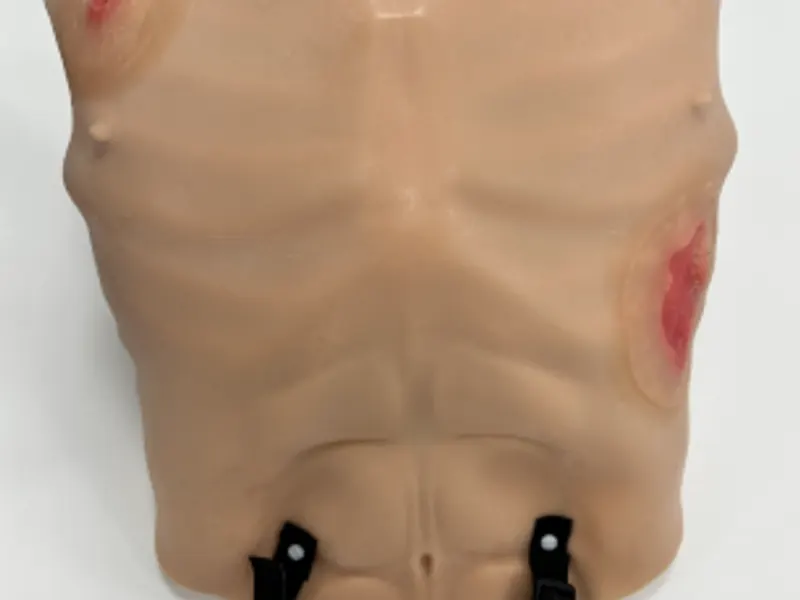
Wearable Needle Decompression Trainer – Standard is prepared for simulation-based teaching, skills practice, and course assessment.
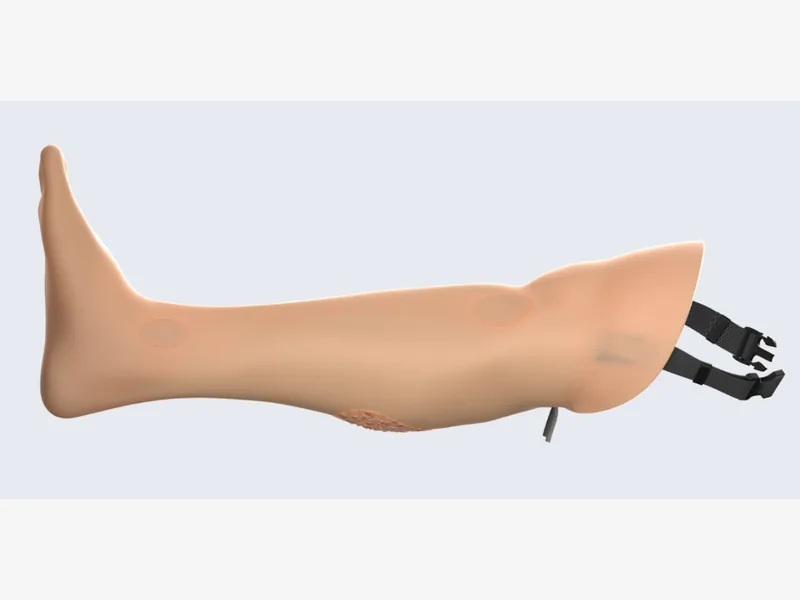
Wearable tibial intraosseous (IO) access trainer for the right leg.
Wearable Tourniquet Training Control Module is prepared for simulation-based teaching, skills practice, and course assessment.
Wearable right upper arm amputation trainer (B1).
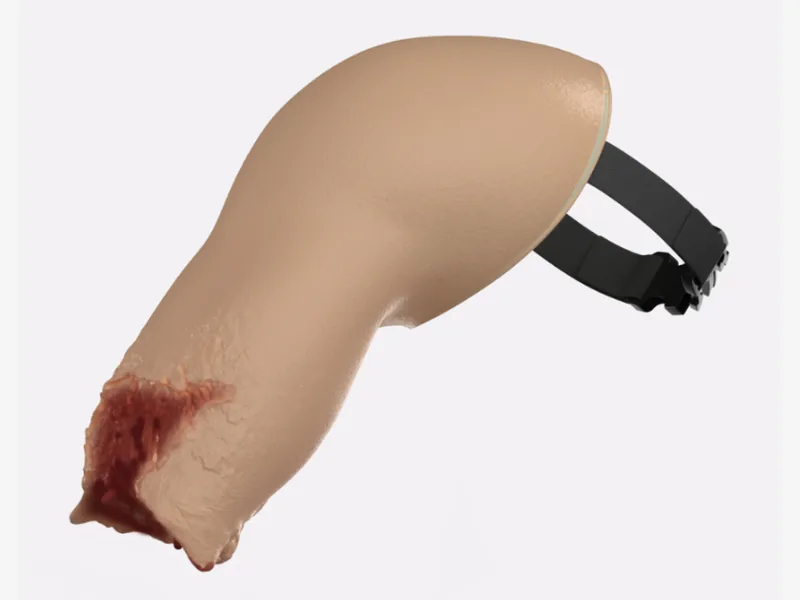
Wearable upper limb amputation module (Type A) for severe trauma training.
Send your product list, target learners, destination country, and timeline so our team can prepare a focused quote.
Wearable wound trainers are overlay-based simulation devices that attach to a person, manikin, or task station to create realistic skills practice for haemorrhage control, tourniquet application, intraosseous access, needle decompression, and surgical airway training. They are useful when instructors want scenario realism without a full-body simulator for every station. Medical Vanguard offers limb, torso, access, and airway trainers across standard and advanced configurations, giving EMS, hospital, Red Cross, and training-centre teams flexible options for modular course design. Buyers should compare anatomical site, skill objective, wearable format, feedback needs, and whether the product will be used alone or with a manikin. This modular approach supports station rotation, compact storage, and fast reset between learner groups.
Wearable wound trainers are modular simulation overlays used to practise specific emergency skills on a wearable or manikin-mounted surface. They add targeted realism to scenario training without requiring a full simulator for every learner station.
Match the trainer to the skill station: bleeding control, IO access, needle decompression, or airway training.
Select the anatomical site that fits your curriculum and learner level.
Choose wearable overlays when scenario movement and role play are important.
Use advanced models when instructors need richer feedback or more complex scenarios.
| Product | Key Focus | Form Factor | Training Use | Target Users |
|---|---|---|---|---|
| Multi-Point Hemorrhage Control Training Device | Training Applications: Supports structured teaching, skills practice, and assessment scenarios. | Multi-point hemorrhage control training device based on 结构化创伤救治 principles. | Multi-point hemorrhage control training device based on 结构化创伤救治 principles. | Multi-point hemorrhage control training device based on 结构化创伤救治 principles. |
| Multi-Point Hemorrhage Control Training Device | Training Applications: Supports structured teaching, skills practice, and assessment scenarios. | Multi-point hemorrhage control training device based on 结构化创伤救治 principles. | Multi-point hemorrhage control training device based on 结构化创伤救治 principles. | Multi-point hemorrhage control training device based on 结构化创伤救治 principles. |
| Smart Wearable Arteriovenous Hemorrhage Simulator – Advanced with Assessment (MVEB105S) | Physical Design: Designed for repeated teaching, practice, and storage workflows. | Advanced smart wearable arteriovenous hemorrhage simulator with integrated digital assessment and wireless data feedback. | Advanced smart wearable arteriovenous hemorrhage simulator with integrated digital assessment and wireless data feedback. | Advanced smart wearable arteriovenous hemorrhage simulator with integrated digital assessment and wireless data feedback. |
| Smart Wearable Arteriovenous Hemorrhage Simulator – Standard (MVEB105) | Physical Design: Designed for repeated teaching, practice, and storage workflows. | Smart wearable arteriovenous hemorrhage simulator for advanced hemorrhage control training. | Smart wearable arteriovenous hemorrhage simulator for advanced hemorrhage control training. | Smart wearable arteriovenous hemorrhage simulator for advanced hemorrhage control training. |
| Wearable Cricothyrotomy Trainer – Advanced | Wearable Design: Sets up quickly on actors or manikins for scenario-based training. | Wearable cricothyrotomy trainer (Advanced). | Wearable cricothyrotomy trainer (Advanced). | Wearable cricothyrotomy trainer (Advanced). |
| Wearable Cricothyrotomy Trainer – Basic | Wearable Design: Sets up quickly on actors or manikins for scenario-based training. | Wearable cricothyrotomy trainer (Basic). | Wearable cricothyrotomy trainer (Basic). | Wearable cricothyrotomy trainer (Basic). |
| Wearable Deep Cavity Hemorrhage Control Trainer | Wearable Design: Sets up quickly on actors or manikins for scenario-based training. | Wearable deep thoracoabdominal hemorrhage control trainer with tablet-based monitoring. | Wearable deep thoracoabdominal hemorrhage control trainer with tablet-based monitoring. | Wearable deep thoracoabdominal hemorrhage control trainer with tablet-based monitoring. |
| Wearable Humeral Intraosseous (IO) Access Trainer | Wearable Design: Sets up quickly on actors or manikins for scenario-based training. | Wearable humeral intraosseous (IO) access trainer for the left arm. | Wearable humeral intraosseous (IO) access trainer for the left arm. | Wearable humeral intraosseous (IO) access trainer for the left arm. |
| Wearable Lower Limb Amputation Overlay – Type A | Wearable Design: Sets up quickly on actors or manikins for scenario-based training. | Wearable lower limb amputation module (Type A) for severe trauma training. | Wearable lower limb amputation module (Type A) for severe trauma training. | Wearable lower limb amputation module (Type A) for severe trauma training. |
| Wearable Needle Decompression Trainer – Smart | Wearable Design: Sets up quickly on actors or manikins for scenario-based training. | Smart wearable needle decompression trainer for tension pneumothorax and hemothorax training. | Smart wearable needle decompression trainer for tension pneumothorax and hemothorax training. | Smart wearable needle decompression trainer for tension pneumothorax and hemothorax training. |
| Wearable Needle Decompression Trainer – Standard | Wearable Design: Sets up quickly on actors or manikins for scenario-based training. | Wearable Needle Decompression Trainer – Standard is prepared for simulation-based teaching, skills practice, and course assessment. | Wearable Needle Decompression Trainer – Standard is prepared for simulation-based teaching, skills practice, and course assessment. | Wearable Needle Decompression Trainer – Standard is prepared for simulation-based teaching, skills practice, and course assessment. |
| Wearable Tibial Intraosseous (IO) Access Trainer | Wearable Design: Sets up quickly on actors or manikins for scenario-based training. | Wearable tibial intraosseous (IO) access trainer for the right leg. | Wearable tibial intraosseous (IO) access trainer for the right leg. | Wearable tibial intraosseous (IO) access trainer for the right leg. |
| Wearable Tourniquet Training Control Module | Wearable Design: Sets up quickly on actors or manikins for scenario-based training. | Wearable Tourniquet Training Control Module is prepared for simulation-based teaching, skills practice, and course assessment. | Wearable Tourniquet Training Control Module is prepared for simulation-based teaching, skills practice, and course assessment. | Wearable Tourniquet Training Control Module is prepared for simulation-based teaching, skills practice, and course assessment. |
| Wearable Upper Arm Amputation Trainer B1 – Right | Wearable Design: Sets up quickly on actors or manikins for scenario-based training. | Wearable right upper arm amputation trainer (B1). | Wearable right upper arm amputation trainer (B1). | Wearable right upper arm amputation trainer (B1). |
| Wearable Upper Limb Amputation Overlay – Type A | Wearable Design: Sets up quickly on actors or manikins for scenario-based training. | Wearable upper limb amputation module (Type A) for severe trauma training. | Wearable upper limb amputation module (Type A) for severe trauma training. | Wearable upper limb amputation module (Type A) for severe trauma training. |
Wearable wound trainers are often chosen when a program needs flexible station-based teaching, realistic role play, or a lower-footprint alternative to multiple full-body simulators. Medical Vanguard wearable options cover limb overlays, haemorrhage simulators, IO access trainers, needle decompression trainers, and airway trainers so course designers can assemble focused modules for emergency response education.